


News

News
Wine, spirits and craft-beer brands face a recurring packaging problem: a glass bottle that must survive parcel and freight transit, look premium inside a gift box, and meet retailers' pressure to cut single-use plastic. Molded pulp bottle trays and inserts solve all three at once. This guide explains what a molded pulp wine packaging system actually protects, the design choices available for single and multi-bottle sets, material options, and what to ask a supplier before committing to a mold — written for brand owners, exporters and packaging buyers who are comparing pulp against foam, blister and molded plastic.
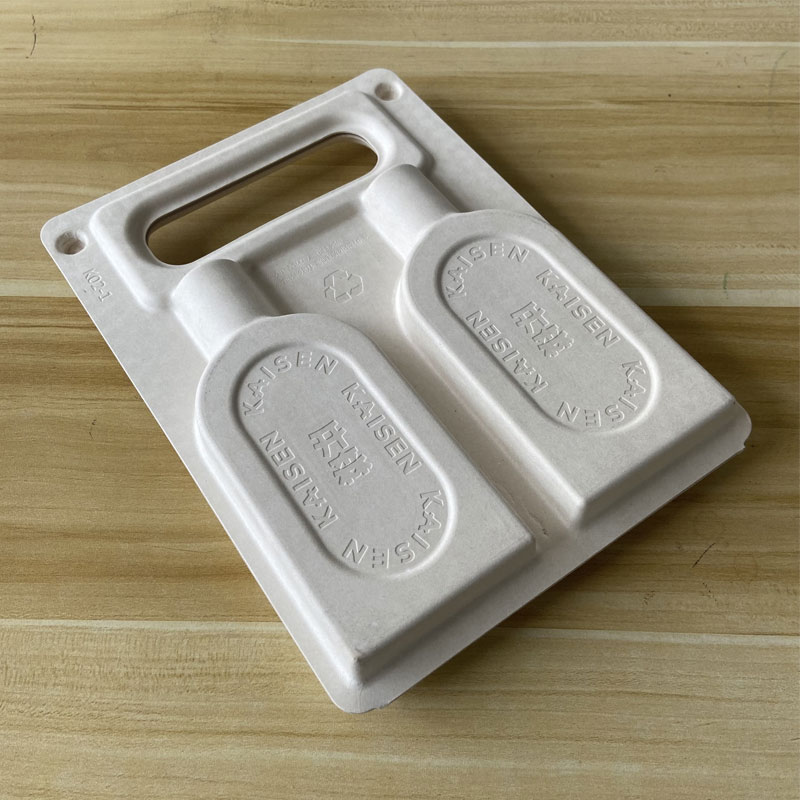
Traditional wine gift packaging often relies on polystyrene foam, molded EVA or plastic blister trays. These do the shock-protection job, but they carry growing downsides: foam is increasingly restricted under packaging-reduction rules, it does not biodegrade after the gift is opened, and its loose, lightweight appearance reads as low-end next to a premium label.
Molded pulp is formed from recycled newsprint, virgin fiber or bamboo pulp, pressed into a rigid, ventilated insert that fits the gift box. It is fully recyclable and compostable alongside paper waste, it weighs less than the foam it replaces, and its matte, fibrous surface gives the set a natural, craft-oriented look that suits organic wine, small-batch spirits and gifting lines. For exporters, pulp inserts also avoid the disposal objections many importers and retail chains now raise against plastic foam.
Pulp is a formed-fiber insert, not a shock cradle for extreme drops: heavy or irregular bottles still need an outer carton and corner protection, and the insert should match the real shipping method.
A well-designed tray protects the bottle in four ways; evaluate each rather than judging on appearance alone.
The cup under the bottle body cradles the base while the neck recess limits side-to-side movement. In a loaded carton, vibration from sorting and long-haul freight is the main failure driver, not a single high drop. A secure locator that keeps the bottle upright and separated from its neighbors does more than a thick but loose liner.
Clear or colored glass marks easily against hard plastic or cardboard edges. Pulp's soft fiber surface cushions the finish and prevents the bottle from rubbing against the box interior or against another bottle. Capsule labels, foil and embossed glass are protected the same way the body is.
For gifting and DTC orders, the insert is part of the product experience. A contoured tray that lifts the bottle toward the lid, aligned with the box window, reads as considered design. Natural or white pulp can be paired with a printed outer box, sleeve or belly band so the insert does not compete with the label.
Pulp trays ship nested: empty inserts stack tightly, which cuts freight and warehouse space per unit compared with bulky foam. For an exporter running seasonal gift sets, that nesting efficiency is a measurable cost saving, not a side benefit.
Pulp inserts are tooled to the bottle dimensions, so designs fall into a few common layouts buyers should recognize.
Single-bottle tray. One body cup with a neck or shoulder locator, used for tasting packs, corporate gifts and subscription boxes. The tray can sit flat in a folding box or be set into a rigid gift case.
Double-bottle tray. Two adjacent cups separated by a center rib so the bottles do not touch. This is the standard format for wine-and-glass, wine-and-jar and paired gift sets, where the second cavity can be shaped for a glass, opener or accessory instead of a second bottle.
Multi-bottle divider. Three, four or six-cavity layouts for cases and hampers, often combined with printed dividers. These are usually wet-pressed for a smoother face and more defined recesses.
Accessory cavity. A recessed pocket molded beside the bottle for a stopper, foil cutter, corkscrew, greeting card or candle. Shaping the accessory into the same insert removes the need for a separate small box or loose paper wrap.
Cavity geometry follows your bottle drawing: height, base diameter, shoulder slope and capsule length. The supplier opens the mold from a sample or drawing, then ships a fit-test sample before bulk production.
Bottle protection does not end at the base. The neck, capsule and closure are where bottles chip in the box, and dedicated inserts handle that zone.

A wine cap and closure insert sits under or around the bottle top, holding the capsule or stopper clear of the lid and preventing the neck from rubbing against the box. These scratch-free inserts also suit spirit closures, screw caps and corks, where a smooth non-abrasive fiber surface matters; matching cap inserts protect syrup, oil or condiment closures the same way.
When designing a two-part system, confirm that the body tray and the cap insert align when the lid closes. Misalignment between the two components is the most common fitting problem in gift-set packaging, and it is caught in the sample stage rather than the mold stage.
Fiber choice changes both the look and the performance of the insert, and buyers usually compare three options.

White pulp. A bleached or light fiber with a clean, even surface that suits premium cosmetics-style packaging and white gift boxes. It presents the most neutral background for a printed label.
Natural / primary-color pulp. Unbleached recycled fiber in its tan and gray tones, giving a rustic, sustainable appearance. This is the common choice for organic wine, craft spirits and eco-positioned brands.
Bamboo pulp. A lighter natural fiber with a smoother, finer texture, often used where the insert will be visible in a window box and needs a more refined finish. It is also marketed as a renewable alternative to wood-based fiber.
Pulp absorbs ambient humidity, so store inserts dry and sealed until packing; for high-humidity markets, discuss fiber grade and finish with the supplier.
A wine or spirits insert project follows a predictable sequence once the brief is clear.
Share the bottle dimensions, outer box size, accessory list and target volume; the supplier then recommends the cavity layout and wet-press or dry-press process. Browse the full range of wet-pressing pulp products to see inserts already in production.
Second, the supplier opens or modifies a mold to your cavity shape. Mold cost depends on cavity count and geometry, and it is amortized over the order volume, so early brands often start with a simple single- or double-bottle layout before adding accessory pockets.
Third, a physical sample is tested in your actual box with your actual bottle. Check fit, neck clearance, lid closure and whether the bottle lifts out cleanly. Adjust the mold based on the sample results, then approve bulk production.
Confirm finishing options: embossed mark, printed sleeve or panel, nesting arrangement, and any certification your market requires. Most inserts recycle as paper; a compostability claim should be backed by the specific grade and local standards.
Molded pulp wine and spirits packaging works best as part of the shipping system, not a decorative liner. A tray that locates the bottle, protects the finish and nests efficiently reduces transit complaints and supports the sustainability story; one chosen only for appearance reopens the problems the foam it replaced was meant to solve.
Review the molded pulp wine bottle tray options for single and double-bottle gift sets, and the wider pulp product catalog for matching inserts. If you have a bottle drawing, box size or target volume, contact our engineering team with the details and we can advise on layout, fiber choice and a sample run for your wine or spirits packaging project.

 +86 189 2452 1063
 s-dzhiyuan@163.com
 18924521063



Online Message

Follow Us


Top
