


News

News
Starting an egg tray business is one of the most accessible and profitable manufacturing ventures for entrepreneurs in 2026. With global demand for sustainable egg packaging accelerating, single-use plastic bans spreading across continents, and egg consumption rising steadily worldwide, the market for molded pulp egg trays is growing at an estimated 6–8% annually. Unlike many manufacturing businesses, an egg tray operation requires relatively modest startup capital, simple raw materials (waste paper), and straightforward production technology — making it attractive to first-time manufacturers and established packaging distributors alike. In this complete startup guide, we walk you through every step — from market research and machine selection to facility setup, investment budgeting, and ROI projections — so you can launch your egg tray business with confidence.
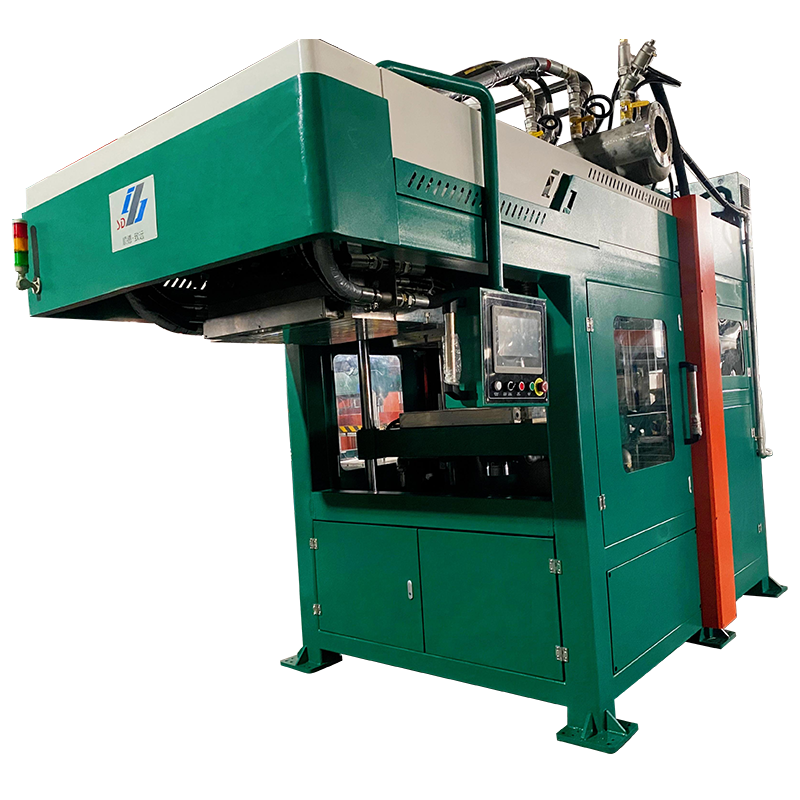
The short answer is yes — for well-planned operations. Several structural drivers make this market attractive:
Profitability depends heavily on machine selection, production efficiency, labor cost, and local market pricing — which is why thorough planning before investment is critical.
Before purchasing any equipment, validate your local market. Identify your target customers — egg farms, wholesale distributors, retail chains, food processing companies, or export buyers — and determine their volume requirements, quality expectations, and current packaging suppliers. Research competitor pricing in your region and identify gaps: are buyers underserved by local suppliers? Is there demand for premium white trays or custom-printed packaging that no one currently offers?
Your business plan should include: target monthly production volume, customer acquisition strategy, pricing model, raw material supply sources, labor plan, and a 3-year financial projection. A realistic plan is the single best predictor of success — and it will also help you choose the right machine capacity (the most common startup mistake is buying a machine that is either too small to serve target customers or too large for current demand).
The machine is your largest investment and the primary determinant of production capacity, labor requirement, and product quality. Egg tray machines fall into two main categories:
A semi-automatic forming machine handles the pulp molding process but requires manual transfer of wet trays to the drying oven and manual operation of downstream equipment. With output of 800–2,000 trays per hour and price points of $8,000–$25,000, these machines are ideal for first-time entrepreneurs, small farms producing for local distribution, or businesses testing the market with limited capital. The tradeoff is higher labor requirement (4–6 workers per shift) and lower, less consistent output.
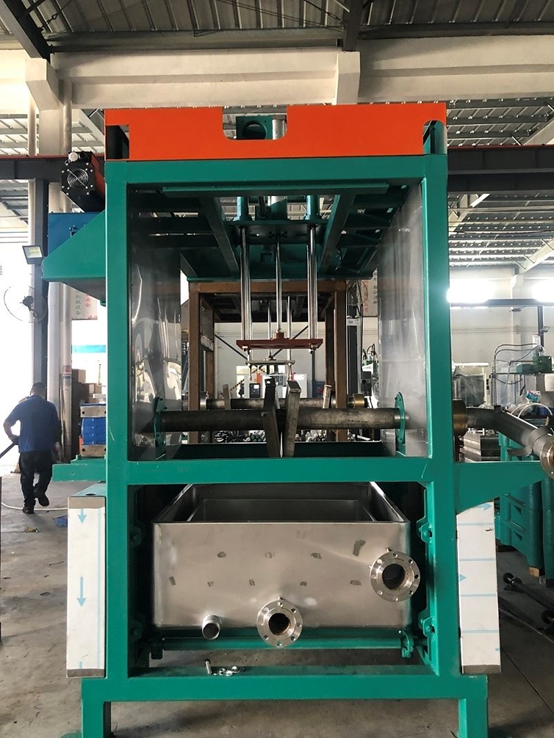
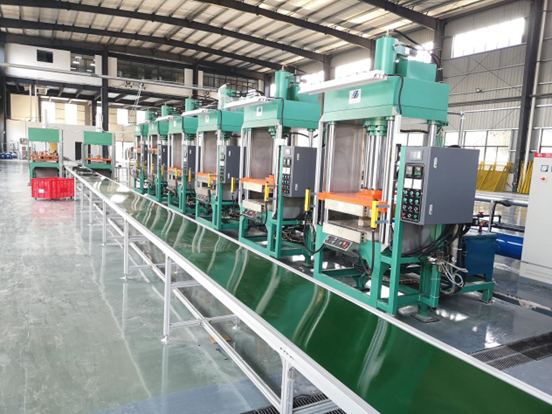
A fully automatic line — such as a one water and one heat automaton or a larger forming system with multiple hot presses and a robotic arm — handles the entire production cycle with minimal human intervention. Output ranges from 2,000 to 6,000+ trays per hour, with prices from $40,000 to $200,000+ depending on configuration. These lines require only 1–2 operators per shift, deliver more consistent product quality, and achieve far higher per-unit efficiency. For businesses targeting wholesale, export, or high-volume retail supply, a fully automatic line is not a luxury — it is a competitive necessity.
For many startups, the optimal strategy is to begin with a mid-range semi-automatic or entry-level automatic machine to validate the market, then scale up by adding hot presses or upgrading to a full forming system once demand is proven. A reputable supplier like Zhiyuan can configure a machine that matches your current budget while leaving room for future expansion.
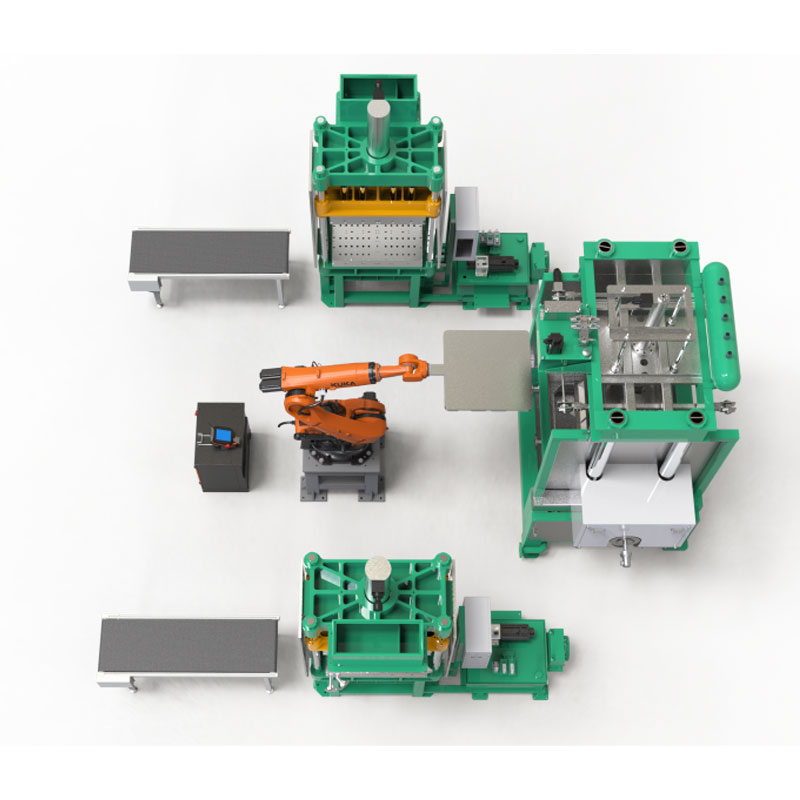
An egg tray production facility needs more than just space for the machine. Plan for:
The primary raw material is waste paper — old corrugated containers (OCC), newsprint, office paper, or mixed recycled paper. Establish reliable local supply sources before launching: cardboard recyclers, packaging waste collectors, printing houses, or paper mills. Typical consumption is approximately 1 tonne of waste paper per 8,000–12,000 egg trays (depending on tray weight and pulp density). For premium white trays, bleached pulp or higher-grade white waste paper is required, increasing material cost but commanding higher selling prices.
Additional consumables include small quantities of water-resistant additives (for trays intended for cold-chain or high-humidity applications), cleaning chemicals for the pulp system, and spare parts for the machine (molds, seals, vacuum pump components). Budget 2–5% of annual revenue for consumables and maintenance.
Labor is often the second-largest cost after raw materials, and it is the primary reason automation pays for itself. A semi-automatic line requires 4–6 workers per shift (forming operator, transfer workers, hot press operator, packaging/stacking staff), while a fully automatic line needs only 1–2 operators per shift (machine monitoring, pulp replenishment, finished product handling). For a two-shift operation, this means 8–12 employees for semi-automatic versus 2–4 employees for fully automatic — a difference that can amount to $30,000–$60,000 per year in labor costs alone, depending on local wage levels.
Invest in operator training — a well-trained operator reduces waste, minimizes downtime, and extends machine life. Most reputable suppliers include installation and operator training as part of the delivery package.
A realistic startup budget for an egg tray business includes the following categories:
Total startup investment: approximately $25,000–$60,000 for a semi-automatic operation, or $70,000–$180,000 for a fully automatic entry-level line. These are estimates — actual costs vary significantly by region, machine configuration, and facility condition.
For a well-run operation with consistent orders, payback is typically achievable within 6–18 months. Consider a realistic example: a mid-range automatic machine producing 2,500 trays/hour, running 16 hours/day for 25 days/month, yields approximately 1,000,000 trays/month. At an average selling price of $0.04/tray, monthly revenue is $40,000. After deducting raw materials ($8,000–$12,000), labor ($3,000–$5,000), utilities ($2,000–$3,000), and maintenance/miscellaneous ($1,000–$2,000), net monthly profit ranges from $18,000 to $26,000. For a $80,000 total investment, this translates to a payback period of approximately 3–5 months under optimal conditions — though first-year payback of 6–12 months is more realistic as you build your customer base and optimize production efficiency.
The key to fast ROI is securing consistent, volume orders before or shortly after launch. Start with local egg farms and distributors, then expand to regional wholesale and export markets as your production capacity and quality reputation grow.
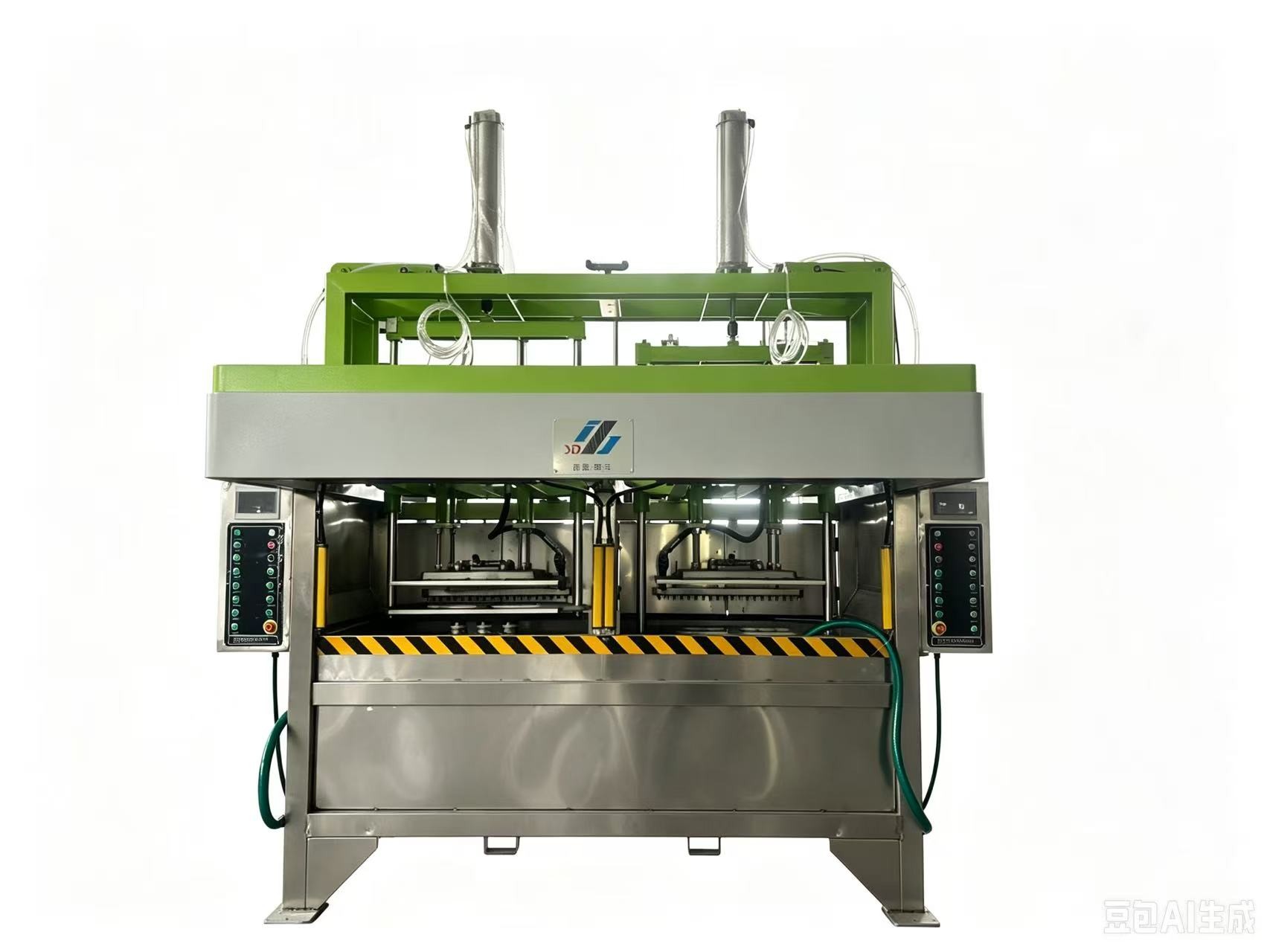
Foshan Shunde Zhiyuan Pulp Molding Equipment Co., Ltd. is more than a machine supplier — we are a production partner with over 20 years of pulp molding experience, operating from a 38-acre integrated facility in Shunde, China's machinery manufacturing hub. What sets Zhiyuan apart for startup businesses:
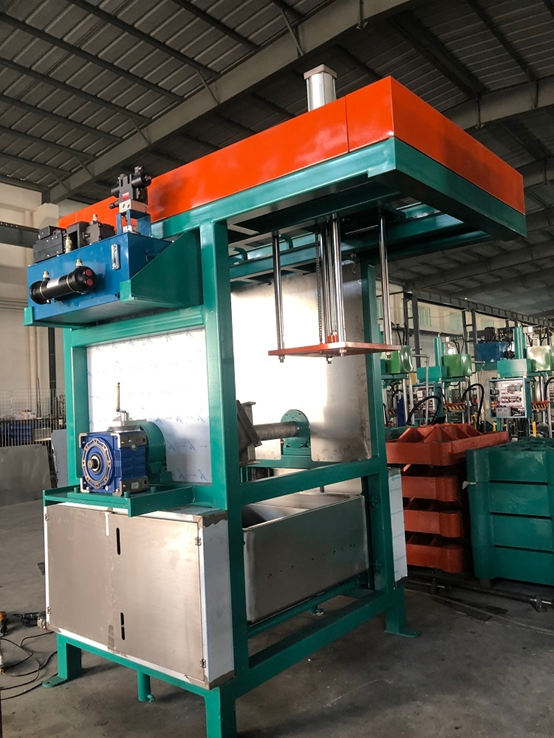
Our complete equipment range includes single-cylinder and dual-cylinder molding machines, the automatic wet pressing and hot pressing integrated machine, arched and four-column pneumatic hot presses, hydraulic trimming machines, vertical pulpers, vacuum systems, and fully integrated robotic forming systems — everything you need to launch and scale your egg tray business from a single supplier.
Ready to start your egg tray business? Contact our team today with your target production volume, available facility space, and budget, and we will provide a customized machine configuration, itemized quotation, facility layout guidance, and projected ROI analysis — no obligation, no pressure. We also welcome factory visits to see our machines running in actual production.

 +86 189 2452 1063
 s-dzhiyuan@163.com
 18924521063


Online Message

Follow Us


Top
