


News

News
The quality of molded pulp products starts long before the forming machine — it starts in the pulping system that turns recycled paper into the fibre slurry every product is built from. The pulp crusher, deflaker, fiberizer, cleaner and vacuum system together determine slurry consistency, fibre quality and contamination levels, all of which directly influence product strength, surface finish and production efficiency. For buyers planning a molded pulp production line, understanding the role of each pulping machine is essential to choosing equipment that produces consistent, high-quality slurry — and therefore consistent, high-quality products. This guide explains how pulp preparation works, the key machines involved, and what to consider when sourcing the pulping stage of your line.
Every molded pulp product begins as a mixture of recycled paper, water and, where needed, additives. How well that mixture is broken down, mixed and cleaned determines whether the slurry forms into a strong, uniform product or a weak, defect-prone one.
Complete defibration: Breaking recycled paper into individual fibres so the slurry forms a tight, strong matrix.
Consistent consistency: Maintaining a stable fibre-to-water ratio for uniform wall thickness and density.
Contamination removal: Extracting metal, plastic, sand and oversized particles that would create defects and damage moulds.
Efficient fibre yield: Getting maximum usable fibre from each batch of raw material.

A complete pulp preparation system usually combines several machines, each with a specific job.
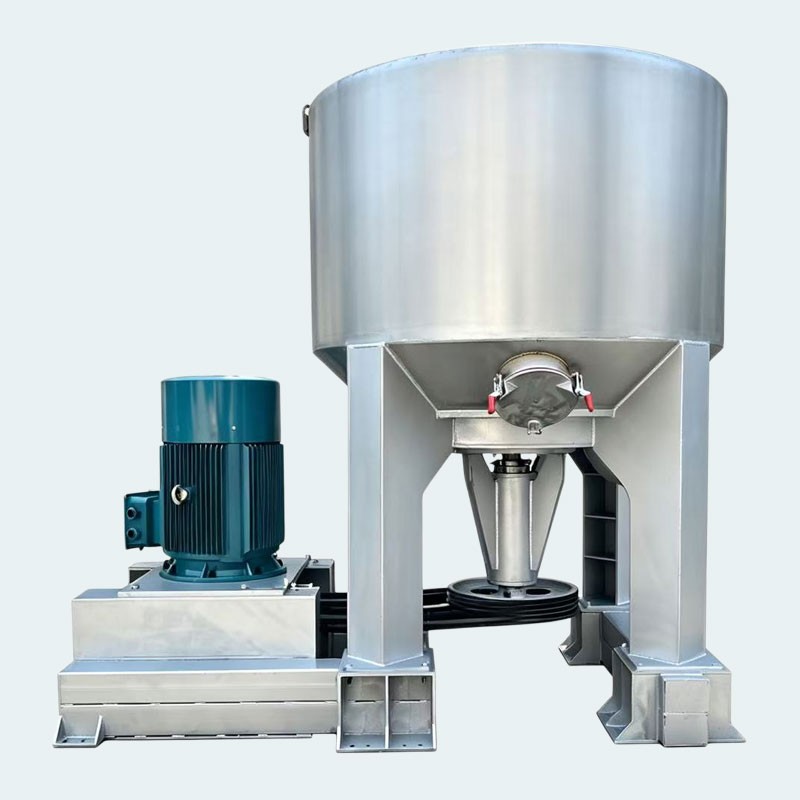
The pulp crusher — available in horizontal and vertical configurations — breaks down baled or waste paper into a coarse slurry, beginning the defibration process. Vertical pulp crushers are common for handling a steady stream of raw material and starting the fibre separation that finer machines complete.
The deflaker further separates fibre bundles into individual fibres, improving slurry uniformity and product strength. It is a critical step between the coarse crusher and the forming stage, and directly affects the smoothness and integrity of the finished product.
The fiberizer refines fibre quality and helps remove or break down residual contaminants, delivering cleaner, more consistent stock to the forming system. Together with the deflaker, it is the heart of consistent slurry quality.
Cleaners remove heavier impurities such as metal, sand and dense particles, while sieve shakers screen out oversized material. These protect both product quality and the expensive forming moulds from abrasive damage.
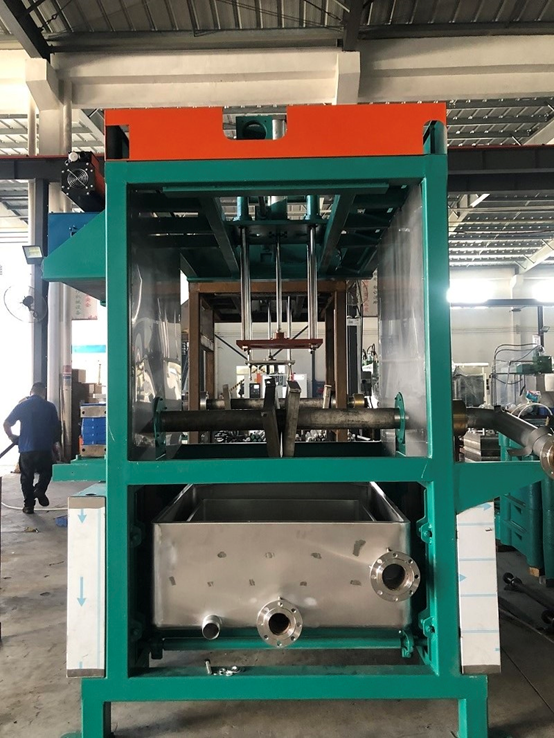
The vacuum system and vacuum pump control the suction that draws slurry onto the forming screen and removes water from the formed product. Stable vacuum pressure is essential for even fibre distribution and consistent wall thickness.

When sourcing the pulping stage of a molded pulp line, several factors determine the right configuration.
Different feedstocks — baled paper, waste corrugated, office paper — respond differently to pulping. Choose crushers and deflakers sized and designed for your primary raw material.
Match the pulping capacity to your forming system's demand. An undersized pulping stage becomes a bottleneck; oversized equipment wastes energy.
If your raw material contains significant contaminants, invest in effective cleaning and sieving to protect product quality and mould life.
Automated consistency and dosing controls reduce operator dependence and improve batch-to-batch repeatability — a key factor in consistent product quality.
The pulping system is only as effective as the forming, hot pressing and trimming stages that follow it — and vice versa. A well-balanced production line matches capacity and quality control across every stage. When planning your investment, review the auxiliary equipment that supports pulp preparation, alongside the forming and pressing equipment it feeds. Contact our team to discuss a pulping system matched to your raw materials, your product range and your output targets — from pulp crushers and deflakers to complete slurry preparation lines.
Consistent molded pulp starts with consistent pulp. Invest in a well-configured pulping system, keep every machine matched to the line, and the quality that follows will show in every product you ship.



 +86 189 2452 1063
 s-dzhiyuan@163.com
 18924521063



Online Message

Follow Us


Top
