


News

News
When sourcing molded pulp packaging — whether for egg cartons, industrial inserts, food service containers, or consumer product packaging — one of the first and most visible decisions is color: white (bleached) pulp or natural (unbleached) pulp. This choice is far more than aesthetic — it affects brand perception, product positioning, cost, environmental messaging, print quality, and even customer purchasing decisions. Many buyers default to one option without fully understanding the tradeoffs, or assume that white is always "premium" and natural is always "eco-friendly." The reality is more nuanced, and the right choice depends on your specific product, brand identity, target market, and budget. In this guide, we compare white and natural molded pulp packaging across every dimension that matters — appearance, brand perception, print quality, cost, environmental impact, applications, and consumer preference — to help you make the right choice for your brand.
Before comparing the two options, it is important to understand how they are produced — because the manufacturing difference explains many of the performance and cost differences.
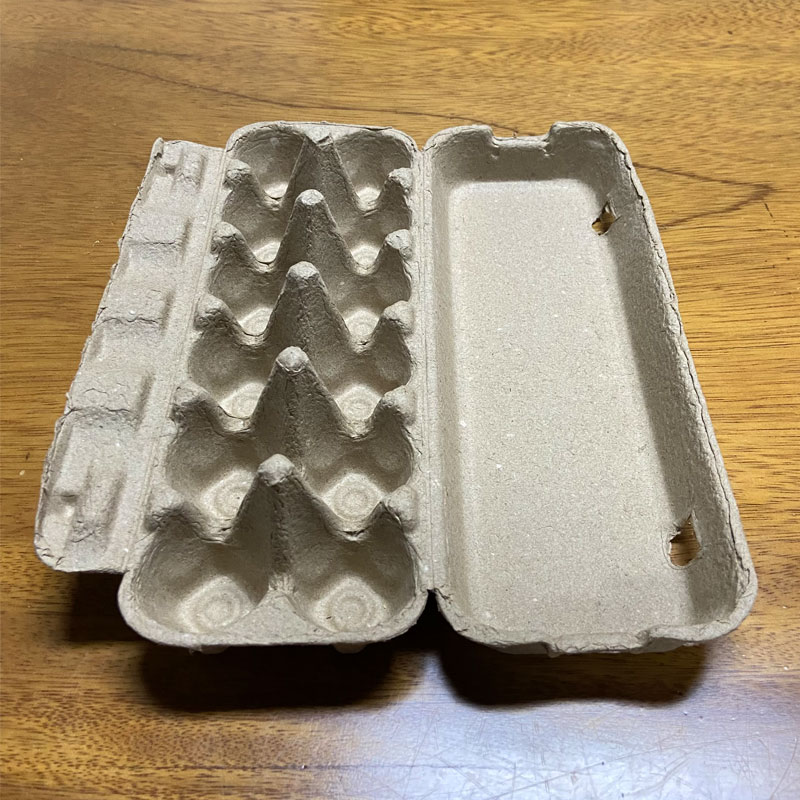
Natural (unbleached) molded pulp is manufactured from recycled paper fibers — typically old corrugated containers (OCC), newsprint, or mixed recycled paper — that are pulped and formed without any bleaching process. The resulting color is a warm, earthy tone ranging from light tan to medium brown or yellowish-brown, depending on the specific recycled paper feedstock. Because no bleaching chemicals are used, natural pulp has a simpler production process, lower manufacturing cost, and a smaller environmental footprint.
White (bleached) molded pulp starts with the same recycled paper fibers (or in some cases, virgin pulp), but undergoes a bleaching process using hydrogen peroxide (the most common and environmentally friendly bleaching agent for pulp) or other bleaching chemicals to remove lignin and color from the fibers, resulting in a clean, bright white product. The bleaching process adds manufacturing steps, increases production cost, and consumes additional water and energy — but produces a product with a very different aesthetic and performance profile.
It is worth noting that "white" pulp can range from off-white/cream (lightly bleached) to bright white (fully bleached), depending on the bleaching intensity and the quality of the feedstock. Similarly, "natural" pulp can range from light tan (clean, sorted waste paper) to darker brown (mixed, lower-grade feedstock). The specific shade depends on the manufacturer's raw material sourcing and process control.
The most immediate difference between white and natural pulp is appearance — and this difference directly affects how consumers perceive your brand and product.
Natural unbleached pulp has a warm, organic, handcrafted appearance that signals authenticity, sustainability, and connection to nature. It evokes images of farm-fresh products, artisan goods, and environmentally responsible brands. For products positioned as natural, organic, farm-direct, or eco-friendly, natural pulp packaging creates an immediate visual alignment between the packaging and the product's brand identity.
Natural pulp also has a unique tactile quality — the subtle variation in fiber color and texture gives each piece a slightly individual, handcrafted feel that mass-produced plastic or bleached packaging cannot replicate. This "imperfection" is actually a brand asset for artisanal and premium-natural products, communicating that the product is made with care and natural materials rather than sterile industrial processes.
White bleached pulp has a clean, bright, uniform appearance that signals hygiene, precision, and modernity. It is the aesthetic choice for brands positioning their products as premium, high-tech, clinical, or sophisticated. White pulp provides a neutral, uncluttered backdrop that makes product labels, logos, and printed designs stand out with maximum contrast and clarity.
White pulp is also the preferred choice for products where hygiene and cleanliness are primary concerns — medical devices, pharmaceutical products, food service items for upscale restaurants, and personal care products. The bright white appearance creates a perception of cleanliness and sterility that natural pulp cannot match, even though both materials are equally food-safe and hygienic from a technical standpoint.
If you plan to print logos, product information, or designs directly on your molded pulp packaging, print quality is an important consideration — and there is a meaningful difference between white and natural pulp.
White pulp: The bright, uniform white surface provides excellent contrast for printed designs, especially for dark or colored inks. Logos, text, and graphics appear crisp, vibrant, and highly legible. White pulp supports high-quality flexographic and offset printing with fine detail, small text, and multiple colors. For brands that rely heavily on printed packaging as a marketing medium, white pulp is the superior choice.
Natural pulp: The warm, textured, slightly uneven surface of natural pulp produces a softer, more muted print result. Dark inks (black, dark brown, dark green) print well and create an attractive, earthy contrast against the tan background. However, light-colored inks (yellow, light blue, pastels) may not show up well, and fine detail or small text may be less crisp due to the textured surface. Natural pulp is ideal for simple, bold designs — logos, farm names, product types — rather than complex, detailed graphics.
Embossing and debossing: Both white and natural pulp support embossing (raised) and debossed (impressed) logos and text. On natural pulp, embossed elements create subtle shadows and texture variations that enhance the artisanal feel. On white pulp, embossing creates a clean, sophisticated, premium tactile effect. Both are effective, but the visual result differs in character.
Custom color printing: White pulp can be printed with virtually any color, including full-color photographic images (with offset printing). Natural pulp is best limited to 1–2 dark colors for optimal contrast and legibility.
For brands that need high-quality, detailed printing — especially with multiple colors or photographic images — white pulp is the clear choice. For brands with simple, bold, earthy designs, natural pulp prints beautifully and creates a distinctive, authentic look.
Cost is often the deciding factor for packaging buyers, and there is a consistent price difference between white and natural molded pulp.
Natural pulp: Because it requires no bleaching process, natural pulp has a simpler, shorter production cycle with lower chemical, water, and energy consumption. This translates to a lower per-unit cost — typically 10–25% cheaper than equivalent white pulp products. For high-volume applications (egg cartons, standard industrial inserts, disposable food service), this cost difference can amount to significant annual savings.
White pulp: The bleaching process adds manufacturing steps, chemical costs (hydrogen peroxide), water consumption, and energy use — all of which increase production cost. White pulp products typically cost 10–25% more than equivalent natural pulp products. Additionally, white pulp often requires higher-quality (more expensive) feedstock to achieve a consistent, bright white color, further increasing cost.
Total cost consideration: While white pulp costs more per unit, it may support a higher retail price or stronger brand positioning that more than offsets the incremental packaging cost. For premium products with high margins, the additional $0.01–$0.03 per unit for white pulp is often justified by increased brand value and consumer willingness to pay. For commodity products with thin margins, natural pulp's lower cost may be the more practical choice.
Both white and natural molded pulp are far more environmentally friendly than plastic, foam, or most other packaging materials. However, there are meaningful differences in environmental footprint and in how each option supports environmental brand messaging.
Natural pulp: With no bleaching process, natural pulp has the lower environmental footprint — less water consumption, less energy use, no bleaching chemicals, and simpler wastewater treatment. For brands that want to make the strongest possible environmental claim ("100% recycled, unbleached, zero chemical processing"), natural pulp is the most defensible choice. It also aligns perfectly with the "zero waste" and "circular economy" messaging that resonates strongly with environmentally conscious consumers.
White pulp: The bleaching process (especially when using hydrogen peroxide, the most common modern bleaching agent) is relatively environmentally friendly — hydrogen peroxide breaks down into water and oxygen, with no persistent toxic byproducts. However, the process still consumes additional water and energy, and the wastewater requires treatment to remove residual peroxide and dissolved organic matter. White pulp has a somewhat higher environmental footprint than natural pulp, but it is still dramatically lower than plastic or foam packaging. For brands that want white packaging but also want to make environmental claims, look for suppliers that use hydrogen peroxide bleaching (not chlorine-based bleaching) and can provide environmental certifications.
Compostability and recyclability: Both white and natural pulp are 100% compostable (home and industrial) and 100% recyclable through standard paper recycling. The bleaching process does not affect end-of-life environmental performance — both materials break down naturally and can be recycled repeatedly.
Consumer perception: Interestingly, many consumers perceive natural pulp as "more eco-friendly" than white pulp, even when both are made from the same recycled materials and both are fully compostable. This perceptual difference means natural pulp can be a more effective marketing tool for environmental brand positioning — consumers see the natural color and immediately associate it with sustainability, without needing to read any claims or certifications.
Based on the factors above, here is a practical guide to choosing between white and natural pulp for common packaging applications:
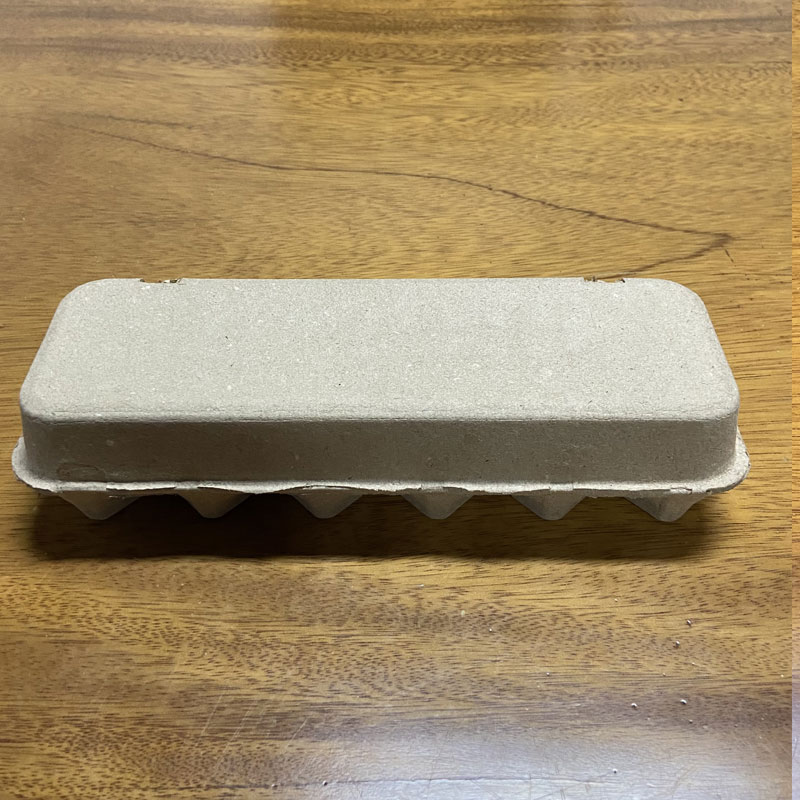
Egg cartons for farm-fresh, free-range, organic eggs: Natural pulp's warm, earthy appearance perfectly matches the farm-fresh, natural positioning of specialty eggs. Our yellow egg trays are a popular example of natural pulp packaging that conveys authenticity and quality.
Produce and agricultural packaging: Fruit trays, vegetable containers, seedling trays, and plant pots — natural pulp looks right at home with agricultural products and reinforces the "from the earth" brand message.
Artisanal and craft products: Handmade soaps, candles, craft goods, and small-batch food products — natural pulp's textured, handcrafted feel complements artisanal brand identity.
High-volume commodity packaging: Standard industrial inserts, shipping protectors, and disposable food service items where cost efficiency is the primary concern.
Brands with strong environmental positioning: Zero-waste brands, eco-focused companies, and B-Corp certified businesses that want the lowest possible packaging environmental footprint.
Simple, bold branding: Brands with simple logos, farm names, or single-color designs that print well on natural pulp's textured surface.
Consumer electronics packaging: Smartphones, laptops, tablets, audio equipment, and tech accessories — white pulp's clean, modern, high-tech aesthetic matches the premium positioning of electronics brands.
Cosmetics and personal care: Skincare, makeup, haircare, and fragrance products — white pulp provides a clean, luxurious backdrop that makes product branding and design elements stand out.
Medical and pharmaceutical packaging: Medical devices, surgical instruments, diagnostic equipment, and pharmaceutical products — white pulp's clean, sterile appearance meets the hygiene expectations of medical and pharmaceutical brands.
Premium and luxury goods: Watches, jewelry, leather goods, high-end fashion accessories, and gift sets — white pulp conveys sophistication and premium quality.
Upscale food service and catering: Fine dining takeaway, premium meal kits, gourmet food delivery, and high-end catering — white pulp's clean, elegant appearance elevates the perceived quality of the food.
Brands requiring detailed, multi-color printing: If your packaging design includes complex graphics, photographic images, small text, or multiple colors, white pulp provides the print quality needed for crisp, vibrant results.
Brands targeting mainstream retail channels: For products sold in conventional grocery, pharmacy, or big-box retail, white pulp may better match the aesthetic expectations of mainstream consumers and retail buyers.
Consumer research and packaging studies consistently reveal interesting patterns in preference for white vs natural pulp:
Environmentally conscious consumers prefer natural: Consumers who actively seek out sustainable, organic, and eco-friendly products consistently prefer natural pulp packaging — they perceive it as more authentic, more environmentally responsible, and better aligned with their values. For this demographic (which overlaps heavily with specialty egg, organic food, and natural product buyers), natural pulp is the clear preference.
Mainstream consumers often prefer white: Conventional grocery shoppers, who may not prioritize environmental factors, often perceive white packaging as cleaner, more modern, and higher quality — especially for food and personal care products. White pulp can help sustainable brands appeal to mainstream consumers who might otherwise associate "brown packaging" with lower quality.
Product category matters: For eggs, produce, and agricultural products, natural pulp is overwhelmingly preferred by consumers across all demographics — it signals freshness and farm authenticity. For electronics, cosmetics, and medical products, white pulp is preferred — it signals cleanliness, precision, and modernity. The "right" color often depends on product category expectations rather than consumer demographics alone.
Price sensitivity interacts with color preference: Price-sensitive consumers may prefer natural pulp if it means a lower product price, while less price-sensitive consumers may prefer white pulp for its premium appearance, even at a slightly higher price point.
The key insight: there is no universally "better" color — the right choice depends on your product category, target audience, brand positioning, and pricing strategy. Many successful brands use both: natural pulp for their standard/organic line and white pulp for a premium or limited-edition line, allowing them to appeal to multiple consumer segments simultaneously.
For brands that want the environmental authenticity of natural pulp with the print quality and clean appearance of white pulp, several options exist:
Lightly bleached (off-white) pulp: A light bleaching process produces a warm, cream-colored pulp that is brighter than natural but not as stark as fully bleached white. This offers a middle ground — better print contrast than natural, with a softer, more natural appearance than bright white, and a lower environmental footprint than full bleaching.
Natural pulp with white printed areas: Print a white background area (using white ink) on natural pulp for your logo or product information, creating a clean, high-contrast print zone while retaining the natural pulp appearance for the rest of the packaging. This is a popular technique for egg cartons and food packaging.
Natural pulp exterior, white interior: For trays and inserts, use natural pulp on the visible exterior (for eco-friendly brand appearance) and white pulp on the product-contact interior (for clean, premium product presentation). This is more complex and costly to manufacture but can be effective for premium products.
Dual product lines: As mentioned above, offer both natural and white pulp packaging for different product lines or market segments — natural for organic/eco lines, white for premium/mainstream lines.
Work with your packaging supplier to explore these options — a reputable manufacturer with in-house mold design and printing capability, like Zhiyuan, can help you find the optimal solution for your specific brand and product requirements.
Foshan Shunde Zhiyuan Pulp Molding Equipment Co., Ltd. manufactures both white (bleached) and natural (unbleached) molded pulp packaging — because we believe the right choice depends on your brand, and we want to give you the flexibility to choose what works best for your products. Our advantages for both pulp types:
Full color range: We offer natural unbleached pulp (warm tan/yellow-brown), lightly bleached off-white/cream, and fully bleached bright white — with custom color matching available for special orders. You can choose the exact shade that matches your brand identity.
Consistent quality: Whether natural or white, our pulp products undergo strict quality control — uniform wall thickness, clean cavity formation, smooth edges, consistent color, and low defect rates. We use sorted, clean waste paper feedstock to ensure consistent color and strength in both natural and white products.
In-house printing and customization: We offer flexographic and offset printing in multiple colors, plus embossing and debossing, for both white and natural pulp. Our design team can help you optimize your artwork for the specific pulp color you choose — ensuring maximum print quality and brand impact.
Environmentally responsible bleaching: Our white pulp products use hydrogen peroxide bleaching (not chlorine-based), which breaks down into water and oxygen with no persistent toxic byproducts. We can provide environmental documentation and certifications upon request.
Transparent pricing: We provide itemized quotations that clearly show the cost difference between natural and white pulp options, so you can make an informed decision based on your budget and brand requirements — no hidden costs or surprises.
Equipment + product expertise: Because we also manufacture pulp molding equipment, we understand the production process for both white and natural pulp at a deep technical level — allowing us to optimize product quality, consistency, and cost efficiency for either option.
Scalable production: Our integrated facility supports both small-batch custom orders and high-volume mass production for both pulp colors — with capacity that scales as your brand grows.
Explore our complete product range to see examples of our white and natural molded pulp packaging, including egg cartons, industrial inserts, food service containers, and custom packaging solutions. Or contact our packaging specialists today for a free consultation — send us your product specifications, brand requirements, and volume needs, and we will provide recommendations for the optimal pulp color, custom design concepts, physical samples, and itemized quotations. We also welcome brand visits to our facility to see our production process, quality control, and both white and natural pulp product lines in person.
The choice between white and natural molded pulp packaging is an important brand decision — but it does not have to be a difficult one. By understanding the tradeoffs in appearance, print quality, cost, environmental impact, and consumer preference, you can choose the option that best aligns with your brand identity, target market, and business goals. And if you are still unsure, we can provide samples of both options so you can see, touch, and test them with your actual products before making a decision.



 +86 189 2452 1063
 s-dzhiyuan@163.com
 18924521063


Online Message

Follow Us


Top
